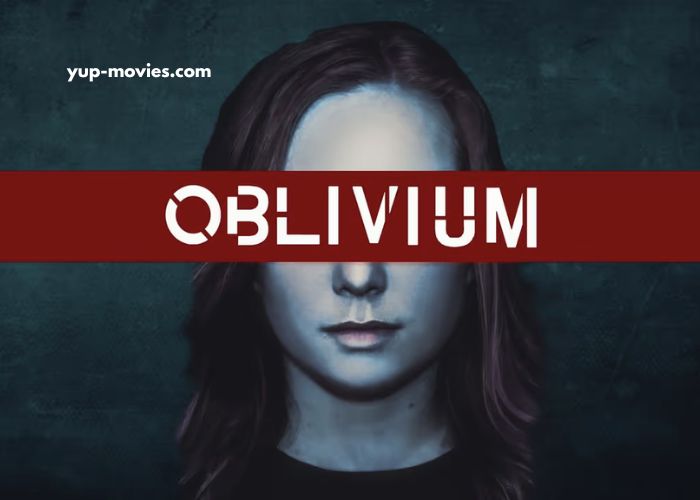
| Category | Details |
|---|---|
| Title | Oblivium |
| Genre | Sci-Fi, Thriller, Mystery |
| Main Theme | Memory, Identity, Artificial Intelligence |
| Setting | Post-apocalyptic Earth |
| Protagonist | Lone operative maintaining Earth systems |
| Conflict | Questions reality and hidden truth about his mission |
| Key Twist | Reality is not what it seems |
| Antagonist | Advanced AI / Hidden system control |
| Tone | Dark, emotional, suspenseful |
| Visual Style | Futuristic tech with ruined landscapes |
| Story Focus | Psychological journey and truth discovery |
| Message | What defines humanity in a machine-driven world |
| Ending Type | Thought-provoking and open-ended |
| Audience Appeal | Fans of deep, intelligent sci-fi storytelling |
For anyone drawn to shadowy, dreamlike science fiction, Oblivision stands out quietly. Not just future tales strung together, it carries weight through feeling, pulling viewers into its slow pulse. Those who favor movies that linger past the last frame might find themselves caught here.
Introduction to Oblivium
What happens when remembering becomes dangerous? Oblivium unfolds in a future cracked by climate ruin, where machines shape human lives. Memory isn’t just personal here – it’s controlled. People cling to who they are while systems erase their pasts. Survival means fighting not only hunger or chaos but also forgetting yourself. Identity slips like sand through fingers. Technology doesn’t help – it watches, decides, replaces. This story walks the edge between being real and becoming nothing.
Truth slips out bit by bit, woven into how the story unfolds. As pieces connect, attention holds tight, pulled forward by what hides just ahead.
Storyline and plot summary
Alone on a broken planet, one worker keeps the last machines running since everyone else had to leave. When nothing changes for weeks, he starts doubting what he remembers – was it ever real? His days follow the same path until small glitches twist how he sees things. Something feels off about the way time moves here. Each task repeats just like before, yet his thoughts drift into unknown corners. Silence stretches too far, making echoes out of old conversations. He checks the data again only to find gaps where answers should be. Not everything adds up when compared across different screens. Even the sky looks wrong some mornings for reasons never explained. Gradually, trust in his own mind slips without warning.
A hush falls when shadows shift, revealing pieces of a puzzle that shake his foundation. Though quiet at first, moments pile up – each one stranger than the last – until belief cracks under pressure. Twists slip in sideways, not with fanfare but through slow dawns of realization. What seems solid unravels quietly, thread by thread, while doubt takes root in plain sight. Minds stretch around what they’re shown, never sure where truth lands.
What really matters here isn’t simply staying alive – instead, it peels back layers of how we define humanity when algorithms run everything. Hidden beneath the surface lies a quiet question: who are we when machines shape our days? Not merely existing becomes secondary to understanding feeling, choice, presence – all while circuits hum louder than hearts. This story doesn’t race forward; it lingers where wires meet willpower. Machines may rule, yet something stubborn remains in us. Quiet moments speak more than speed.
Cast and Performances
From start to finish, the actors in Oblivium hold attention through raw and honest delivery. Though quiet at times, the main performer captures inner conflict with sharp precision – moments of doubt sit just beneath moments of resolve. Instead of grand gestures, small choices in expression build depth. Because of this, tension grows without loud declarations. Emotion arrives not through dialogue alone but timing, silence, posture. While facing questions about self and direction, the character feels real because effort shows. Even stillness speaks volumes here.
A whisper here, a glance there – small moments with side figures shape the plot in quiet ways. Because of them, tension grows not through grand speeches but shared silences. One look lingers longer than expected. Emotions stack up without warning. The viewer leans in, pulled by threads they didn’t see being woven. Moments pass like shadows, yet stick just the same.
Visual Effects Meet Cinematography
A world cracked open by time – Oblivium paints it in silence and shadow. Vast stretches of broken terrain unfold under dim skies, while sleek machines hum through the wreckage like ghosts learning to walk.
Out there in the open, empty landscapes stretch far under pale skies. Yet inside, smooth walls hum with cold precision, glowing just enough to feel alive. One moment stretches silence across broken ground. The next slips into sharp corners where light never seems to fade. Old world breathes slow. New world does not blink.
Light spills across scenes, shifting how warmth or chill settles in your chest. Hues stretch beyond sight, pulling feelings tight like a low hum at dawn.
Themes and Message
Oblivium explores several powerful themes, including:
- The fragility of human memory
- The ethical implications of artificial intelligence
- Isolation and loneliness
- The search for truth and identity
Stories carry big ideas about people and machines, slipping them quietly through each scene. Questions appear one by one, left open instead of solved too fast – this sticks in your mind long after it ends.
oblivium worth watching
Oblivium might be what you’re looking for if story matters more than explosions in your sci-fi. This film builds its world quietly, through moments that stick. Instead of rushing forward, it lingers where it needs to. One scene at a time, it pieces together something thoughtful. Where others shout, it whispers. Because of that, it stays with you after it ends
- A story that pulls you in without revealing its secrets right away
- Strong character development
- High-quality visual effects
- Deep philosophical themes
Visuals pull you in, yet it’s the quiet moments between characters that linger. Storytelling here thinks aloud, while images stretch beyond the screen into memory. Those drawn to sci–fi with weight find footing in its layered scenes. Meaning hums beneath surface flash, rewarding attention without demanding praise.
Final Verdict
What grabs you first about Oblivium isn’t just the look – though that helps – it’s how quickly the story pulls you in. Because of its focus on lost memories, who we are, and machines shaping both, it feels different from most others like it.
If you just pop in movies now and then, Oblivium still grabs your attention – its story sticks around, humming in the back of your mind. Fans who live for space epics might find it even more gripping, though; layers unfold slow, like fog burning off at sunrise.